



Quitting or cutting back on drinking or taking drugs can be hard. Trying to do this on your own, without any support, can make it even harder. Talking to your family and friends could be a first step. They may be able to provide support and help you find the assistance that’s right for you.
There are many options for Veterans who want to cut down on or stop drinking alcohol or using drugs such as Vicodin, OxyContin, codeine, Percocet, and other opioid painkillers. Whether you want to stop having one drink a day or you have a life-threatening addiction—there are resources for you. Support and treatment come in many forms. One option is counseling, either one-on-one with a therapist or in a group. Another involves medication to help you reduce your use of alcohol or drugs. A third option is mutual-help groups with others who are working on similar problems. You can work with your doctor or counselor and try different types of treatment to find the one that’s best for you.
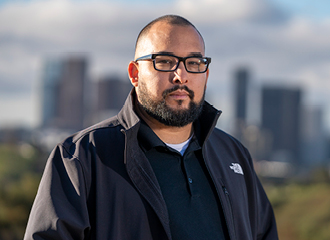
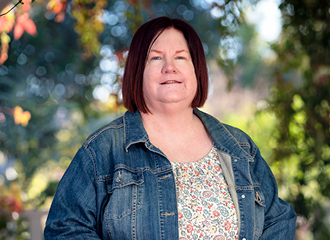
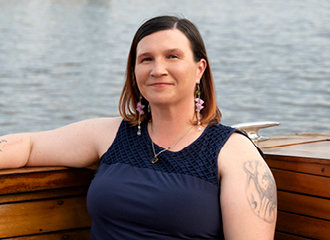
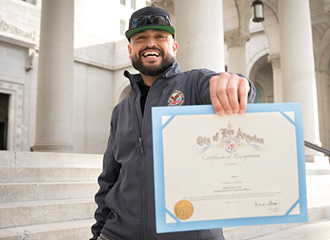
“It helped a lot to know that there were Veterans out there who were in the same place as me. Just listening to their stories and advice turned out to be more helpful and motivating than I could’ve ever imagined.”
In addition, taking an anonymous and confidential self-assessment may help you find out if you need to see a professional about your drinking or drug use. You will be asked a series of questions about your experiences using alcohol and drugs such as opiates throughout your life and in the past three months. Although this set of questions is not designed to tell you whether or not you definitely have an alcohol or drug problem, it can indicate whether it’s a good idea to see a professional for further assessment.
Every day, Veterans from all military service branches and eras connect with proven resources and effective treatments. Here’s how to take the next step: the one that’s right for you.
New to VA? Apply for health care benefits.
- Getting started is simple. Create a free account online to help ease your enrollment process. To prepare to apply for VA health care in person, by telephone, or by mail, explore VA’s “How to Apply for VA Health Care” page.
- Not sure whether you are eligible for VA health care benefits? Read about eligibility for VA health care.
- Unsure of what kind of help you need? Call 877-222-VETS (877-222-8387) to find the right resources to meet your needs, Monday through Friday, 8:00 a.m. to 8:00 p.m. ET. If you have hearing loss, call TTY: 800-877-8339.
- Veterans’ family members and caregivers can see whether they qualify for VA medical benefits as a spouse, surviving spouse, dependent child, or caregiver. Explore family and caregiver health benefits.
Already enrolled in VA and interested in mental health support? Schedule a mental health appointment.
- If you’re already enrolled in and using VA health care, the fastest way to schedule VA appointments is to call the VA facility where you want to receive care.
- With VA appointments tools, you can schedule some VA health care appointments online, view details about upcoming appointments, and organize your health care calendar.
- If you’re not using VA medical services, contact your nearest VA medical center or Vet Center to talk about your needs.
What about other options at VA? VA offers a variety of tools and resources.
- The Veteran Training online self-help portal includes modules on managing anger, developing parenting and problem-solving skills, and more.
- Mental health apps for Veterans cover a variety of topics, ranging from PTSD to anger management to quitting smoking.
- VA TeleMental Health connects you with a VA mental health provider through a computer or mobile device in your home or at your nearest VA health facility. You can learn more about this option from your local VA medical center.
- Community-based Vet Centers provide confidential counseling, community engagement and referral services to eligible individuals and their families. You don’t need to be enrolled in VA healthcare or have a service connection to receive services. Find a Vet Center near you or call 877-927-8387, 24/7 to talk with a fellow Veteran about your experiences.
- VA residential rehabilitation treatment, sometimes referred to as inpatient residential or domiciliary care, provides comprehensive treatment and rehabilitation services to Veterans with mental health conditions like PTSD, depression, and substance use disorder.
What about support outside of VA?
FindTreatment.gov and the National Resource Directory list programs outside of VA. Use these tools to find resources near you.
Learn more about other concerns that may occur alongside alcohol or drug problems, such as chronic pain, trouble sleeping, relationship problems, posttraumatic stress, and depression.